Your Cart is Empty



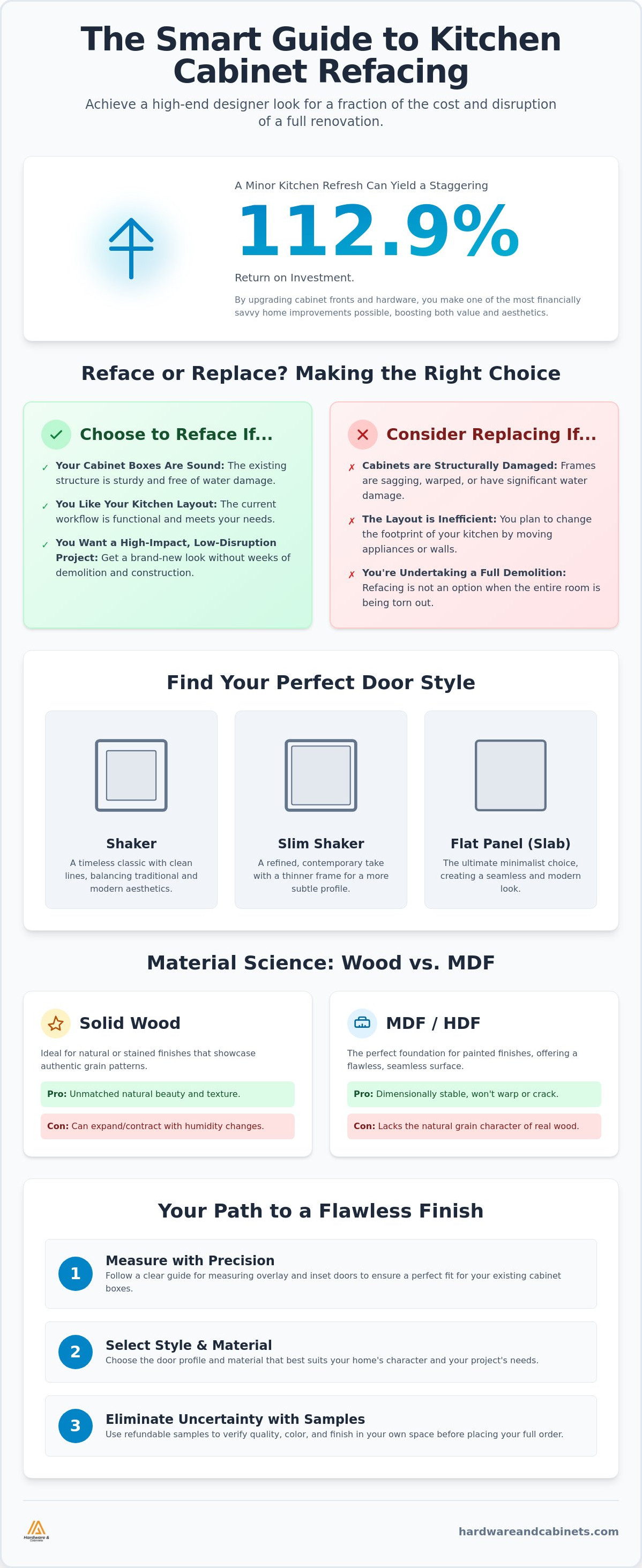
Did you know that a minor kitchen refresh involving just your cabinet fronts and hardware can yield a 112.9% return on investment? Many homeowners assume they need a full, six-figure renovation to achieve a designer look, but the secret often lies simply in upgrading to high-quality custom made cabinet doors. It’s a strategic way to modernize your space without the disruption and expense of a complete tear-out.
We understand that the process can feel daunting. You might worry about measuring incorrectly and receiving doors that don't fit, or perhaps you're stuck choosing between Shaker, Slim Shaker, and Flat Panel styles. It's also common to feel uncertain about whether wood or MDF is the right choice for your home's climate or usage. This guide is designed to replace that hesitation with clarity. You'll discover a clear roadmap for precision ordering and material selection, ensuring you get a durable, high-end result. We'll walk you through the technical details and design options so you can transform your kitchen with total peace of mind.
Refacing is a strategic approach to kitchen design that focuses on the elements you see and touch most. At its core, this process involves replacing your existing fronts with custom made cabinet doors that are built to your exact specifications. Instead of tearing out perfectly functional structures, you're performing a precision upgrade. This trend has gained significant momentum in 2026 as homeowners prioritize sustainability and cost-efficiency over the waste of total demolition.
A minor kitchen refresh that includes new door fronts, hardware, and counters can yield a 112.9% return on investment, according to the 2025 Zonda Cost vs. Value Report. By choosing to reface, you can achieve a designer-level aesthetic for significantly less than the cost of a full cabinetry replacement. This method allows you to keep your existing layout while completely transforming the room's personality. Understanding cabinetry construction basics helps you see that if your current boxes are level and sturdy, there's often no structural reason to remove them. You're simply giving the skeleton a high-quality new skin.
Retail stock doors are built to standard sizes. These rarely account for the settling or unique dimensions found in older homes. Custom made cabinet doors eliminate the frustration of trying to make standard sizes work with filler strips or awkward gaps. You also gain access to superior materials, such as high-density fiberboard (HDF) for painted finishes or rift-sawn oak for a modern wood look. This level of precision ensures that your new doors match your existing drawer fronts and trim with absolute accuracy, creating a cohesive look that stock products can't replicate.
The decision to reface depends entirely on the health of your cabinet boxes. If your frames are structurally sound, free of water damage, and provide a layout that works for your daily workflow, refacing is the superior choice. It bridges the gap between a simple DIY paint job and a professional-grade remodel. However, if the boxes are sagging or the wood is compromised, a full replacement might be necessary. For the majority of homeowners, custom doors provide the most significant visual impact and long-term value for their investment. It's a way to get the kitchen you want without the six-figure price tag of a full-scale renovation.
Selecting the right profile for your custom made cabinet doors is the most critical design decision in a kitchen refresh. The style you choose dictates the visual weight of the room and how light interacts with the surfaces. While trends evolve, the goal remains the same: finding a look that feels intentional and timeless. Whether you're aiming for a classic American aesthetic or a sleek European vibe, the door style serves as the foundation for your entire remodel. It's the primary element that bridges your existing cabinet boxes with your new design vision.
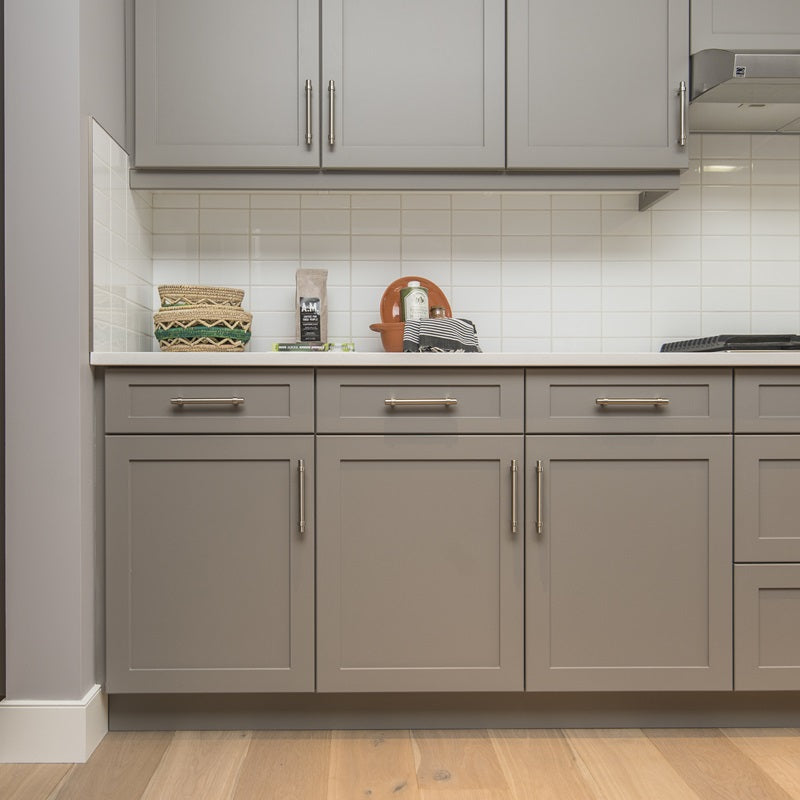
Shaker doors remain the most popular choice for transitional kitchens because they balance tradition with clean lines. However, 2026 has seen a significant rise in "Slim Shaker" variants. These doors feature a much thinner frame, offering a more refined, contemporary take on the classic recessed panel. If you're designing a kitchen island, black shaker cabinets are a leading trend this year. They provide a bold, furniture-like anchor for the room that contrasts beautifully with lighter perimeter cabinets. Pairing these profiles with transitional hardware, such as brushed brass pulls, creates a look that is both sophisticated and approachable. The choice between standard and slim profiles often depends on the architectural detail of your home; traditional homes favor the standard Shaker, while modern lofts lean toward the slim profile.
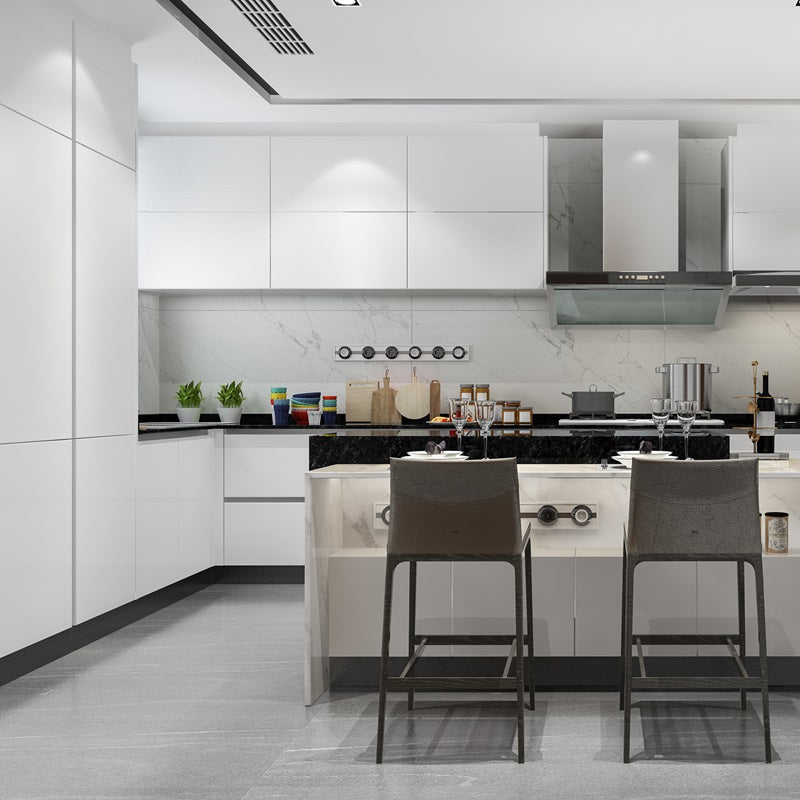
For those who prefer a minimalist approach, flat panel or "slab" doors are the gold standard. These doors create a seamless, handle-less look that emphasizes the material and finish rather than the construction. This style is particularly effective in smaller kitchens where visual clutter can make the space feel cramped. If you're working with a dark or windowless room, glossy white cabinets are an excellent solution. The reflective surface bounces light throughout the space, making it feel significantly larger and more open. Similarly, glossy gray finishes offer a sophisticated European aesthetic that feels both modern and warm.
Flat panel doors also offer the practical benefit of being the easiest style to maintain. There are no recessed crevices for dust or grease to collect, which is a major advantage in high-traffic family kitchens. When selecting your custom made cabinet doors, consider the "selection framework" of your home's architecture. A minimalist slab door works best when paired with modern appliances and clean countertops. If your home has crown molding and traditional trim, the Shaker family will likely feel more integrated. To ensure the style you've selected looks exactly as you envision it in your specific lighting, we recommend starting with our Refundable Sample Doors to see the quality firsthand.
Selecting the material for your custom made cabinet doors is a decision that balances visual appeal with long-term structural performance. While the style dictates the look, the material determines how the door responds to your home's environment. This choice is often influenced by the cabinetry tradition you prefer. American style cabinets traditionally favor solid wood construction with face frames; meanwhile, European style cabinets often utilize engineered cores and slab doors for a sleek, frameless appearance. Understanding these foundations ensures your investment remains beautiful and functional for years.
Natural wood is experiencing a significant resurgence. According to the 2026 Houzz Kitchen Study, wood cabinets have surpassed white in popularity for the first time in a decade, with 29% of homeowners choosing natural wood finishes. Oak cabinets are leading this shift, particularly when crafted with modern rift-sawn techniques. This method cuts the log at an angle that produces a straight, linear grain pattern, eliminating the "cathedral" arches seen in traditional oak. It provides a warm, organic feel that works perfectly in modern or transitional spaces.
For more traditional or high-end aesthetics, maple and cherry remain excellent choices due to their tight, precise grain patterns. These species take stains evenly and offer a smooth surface that feels substantial. When ordering slab-style wood doors, it's vital to ensure vertical grain consistency across all fronts. This attention to detail creates a cohesive, high-end look that mimics a single, continuous piece of timber across your cabinetry run.
If you've decided on a painted finish, Medium Density Fiberboard (MDF) and High Density Fiberboard (HDF) are the gold standards. Solid wood is a living material that expands and contracts with seasonal humidity changes. This movement often causes paint to crack at the joints where the rails and stiles meet. Because MDF is an engineered product, it remains incredibly stable. It provides a perfectly smooth, grain-free surface that allows the paint to lay flat, resulting in a flawless, professional finish that won't telegraph wood grain over time.
For high-traffic kitchens or households with children and pets, high-gloss laminates and thermofoil offer exceptional durability. These materials are highly resistant to moisture and impacts, making them easier to clean than traditional painted surfaces. They are also the primary choice for achieving the mirror-like finish seen in modern European designs. Whether you choose the timeless warmth of oak or the precision of a high-gloss engineered slab, your custom made cabinet doors should be selected based on how you live in your kitchen every day. Balancing these technical benefits with your aesthetic goals is the key to a successful refresh.
The most common source of hesitation when ordering custom made cabinet doors is the fear of measuring incorrectly. It's a valid concern; custom products are built to your specific dimensions and cannot be returned for sizing errors. Adopting a "measure twice, order once" philosophy is the best way to protect your investment. Precision is not just about the numbers on the tape. It's about understanding how your doors interact with the cabinet frames and each other to ensure a seamless fit.
Before you reach for the measuring tape, you must identify your cabinet type. Overlay doors sit on top of the cabinet frame and cover a portion of the wood. Inset doors sit flush within the frame opening. This distinction is vital because the math for each is completely different. For overlay doors, you typically add to the opening size. For inset doors, you subtract to allow for seasonal movement and hinges. Getting this right at the start prevents the frustration of receiving doors that physically cannot fit your space.
Start by measuring the clear opening of your cabinet box. This is the space from the inside edge of the frame to the opposite inside edge. For a standard 1/2 inch overlay, you will add one full inch to the width and one full inch to the height of the opening. This ensures the door overlaps the frame by 1/2 inch on all sides. Clearance is the vital gap between adjacent doors to prevent rubbing. If you have two doors meeting in the middle of a single opening, you must subtract the clearance gap from your total width before dividing by two. Always record your measurements to the nearest 1/16th of an inch for the best results.
Your order should also specify hinge boring. This is the process where circular cups are drilled into the back of the door to house the hinges. You can choose between standard hinges or modern soft-close versions. Soft-close hinges prevent slamming and extend the life of your cabinetry components. Ensuring your doors are "hardware ready" means you have considered where your pulls or knobs will sit. While we don't pre-drill for handles due to the variety of styles available, knowing your placement helps you verify that the stiles of your chosen style are wide enough for your hardware. Proper alignment also depends on the base of your cabinets. Understanding the role of cabinet toe kicks in overall kitchen alignment ensures your doors hang perfectly level from the floor up.
Once you have your list, run through a final checklist. Are all measurements in inches? Did you specify the hinge side for every door? Have you accounted for any end panels? If you're ready to start your transformation, you can browse our full selection of custom made cabinet doors to find the perfect match for your kitchen.
Choosing a partner for your kitchen project shouldn't feel like a gamble. While we've discussed the technical side of custom made cabinet doors, the final piece of the puzzle is peace of mind. We've built our process to eliminate the friction and uncertainty that often accompany home improvement orders. From curated 2026 design trends to professional-grade shipping, every step is designed to ensure your kitchen transformation is as smooth as the finish on our doors. Our goal is to provide the reliability of a local artisan with the efficiency of a national leader.
The greatest barrier to ordering online is the fear that the color or texture won't match your expectations. Screen resolutions vary, and the way a glossy white finish looks in a showroom is different from how it looks under your specific kitchen lighting. Our Refundable Sample Doors program solves this dilemma. By ordering a sample first, you can hold the material in your hands and see it against your countertops and flooring before committing to a full set. This hands-on approach allows you to verify the precision of our craftsmanship in your own home.
This is a truly risk-free step. We credit the cost of your sample door back to your full order once you're ready to proceed. It's our way of acting as a partner in your project rather than just a supplier. This allows you to coordinate with other elements like backsplash tiles or wall colors without any financial downside. You don't have to guess how a finish will react to evening shadows or morning sunlight; you can see it for yourself.
A designer-level kitchen is more than just a collection of beautiful fronts. It's a system where form and function work in tandem. Once you've selected your custom made cabinet doors, the next step is choosing hardware that complements the style. Slim Shaker doors often pair best with sleek, minimalist pulls, while traditional Shaker profiles can handle more substantial handles. Choosing the right hardware is the "jewelry" of the kitchen, providing the final touch that defines the room's aesthetic.
Don't forget the internal utility of your cabinets. While refacing updates the exterior, adding cabinet organizers transforms how you use the space. We provide a range of pull-outs and internal components that maximize every square inch of your existing boxes. By combining high-quality door replacements with smart internal storage, you aren't just changing the look of your kitchen; you're upgrading its performance. Our national reach ensures that whether you're ordering American style components or European style fronts, your products arrive safely and ready for a seamless transition to a fully functional designer kitchen.
Updating your home doesn't have to mean living through a chaotic demolition. By focusing on custom made cabinet doors, you can achieve a professional, designer-level aesthetic while preserving your existing layout. We've explored how selecting the right materials, such as moisture-stable MDF for painted finishes or rift-sawn oak for natural warmth, ensures your kitchen stands the test of time. Precision in your measurements and a clear understanding of your style preferences are the only tools you need to bridge the gap between a tired space and a modern sanctuary.
At Hardware and Cabinets, we specialize in both American and European styles, offering high-gloss finishes and slim shaker designs that reflect 2026's leading trends. Our nationwide shipping and refundable sample program are designed to remove the stress from the ordering process. You can verify the quality and color in your own home before making a final commitment. Browse our collection of custom made cabinet doors and order your refundable sample today. Your dream kitchen is closer than you think, and we're here to help you get every detail right.
Yes, you can replace only the doors as long as your cabinet boxes are structurally sound and level. This process, often called refacing, allows you to update your kitchen's style without the mess of a full demolition. It's a practical choice for homeowners who are happy with their current layout but want a modern aesthetic. You simply remove the old fronts and install new custom made cabinet doors directly onto the existing frames.
High-density fiberboard (HDF) or MDF is the best material for a painted finish. Unlike solid wood, these engineered materials don't expand or contract with seasonal humidity changes. This stability prevents the paint from cracking at the joints of the door. You get a smooth, mirror-like surface that remains flawless over time, whereas wood grain can sometimes show through paint on natural timber doors.
Your choice depends on how much of the cabinet frame you want to see. A full overlay door covers almost the entire cabinet face frame, creating a seamless, high-end look. A partial overlay leaves about one inch of the frame visible around the door. You should check your current hinges and frame width to determine which style fits your existing boxes and your desired design outcome.
The primary difference is the width of the outer frame. A traditional Shaker door has a wider rail and stile, usually around 2.5 to 3 inches, which offers a classic transitional feel. Slim Shaker doors, also known as micro-shakers, feature a much narrower frame. This creates a sleeker, more contemporary profile that bridges the gap between a traditional Shaker and a modern flat panel door.
The cost of custom made cabinet doors varies based on the material, style, and finish you choose. Solid wood species like rift-sawn oak typically sit at a higher price point than engineered materials like MDF or thermofoil. While we don't provide fixed pricing here, industry professionals note that refacing usually costs significantly less than a full cabinet replacement. Factors like hinge boring and custom sizing also influence the final investment.
Custom doors typically don't arrive with hinges pre-installed, but they are often "hinge ready." This means the back of the door is pre-drilled with hinge boring holes based on your specifications. You'll need to attach the hinges to the doors and then mount them to your cabinet boxes. We recommend specifying your hinge type during the ordering process to ensure the boring matches your hardware perfectly.
Because these products are manufactured to your exact specifications, they generally can't be returned for sizing errors. If a mistake happens, you'd typically need to order a replacement door at the correct size. To avoid this, we emphasize a "measure twice" approach and suggest ordering a refundable sample door first. This allows you to verify your measurements and the fit before placing a large order.
You can certainly order custom doors for bathroom vanities. We offer both American and European style vanity components that are built to the same high standards as our kitchen products. Since bathrooms are high-moisture environments, we often recommend materials like HDF or high-gloss laminates. These options provide the durability needed to withstand humidity while giving your vanity a custom, designer look that matches your home's style.