
Your Cart is Empty



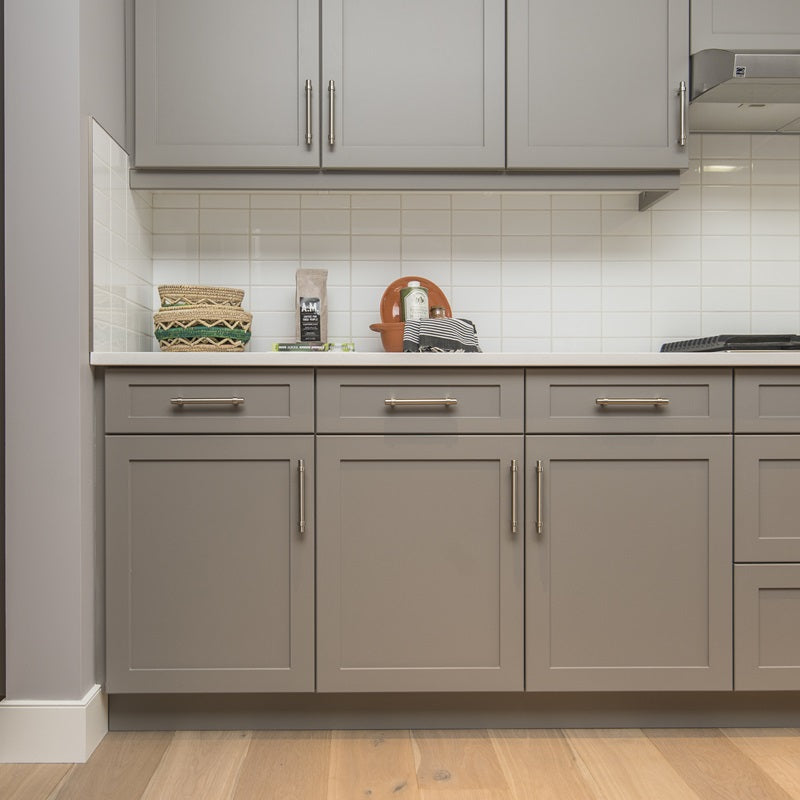

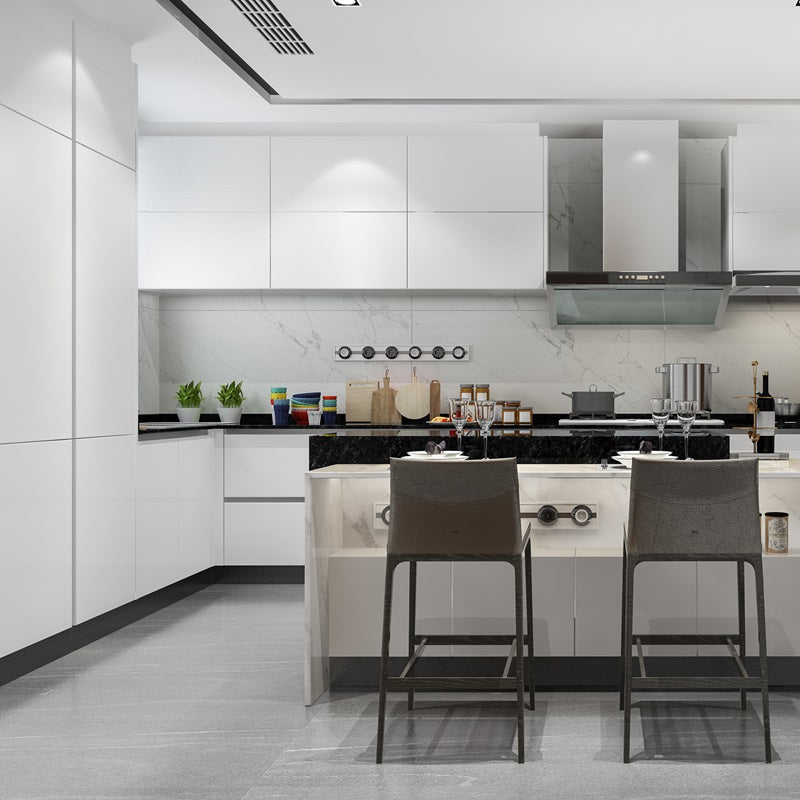

Comparing ready to assemble kitchen cabinets often starts with the same questions: what is actually included, how much work is involved, and where the real savings show up. The strongest options on the market now go well beyond bare-bones budget boxes, with better finishes, soft close doors, and design support that makes ordering easier. For shoppers weighing rta kitchen cabinets against pre-assembled alternatives, the details matter as much as the price tag. A good comparison comes down to construction, shipping, lead time, and how well the cabinets fit the project timeline.
What Are RTA Kitchen Cabinets?
Ready to assemble cabinets are shipped unbuilt, usually in flat-pack boxes, so the buyer or installer assembles them on site before installation. That simple format helps reduce freight charges, warehouse space, and handling costs, which is a big reason ready to assemble cabinets stay competitive online. DIY homeowners, contractors, and flip investors often choose them because the value equation is strong without giving up useful style options. Quality can still be excellent, but the buy-in is different: expect some assembly work, plan for installation time, and compare construction specs carefully before ordering.
How ready to assemble cabinets are packaged
Most ready-to-assemble cabinets arrive with labeled panels, hardware, fasteners, hinges, and drawer components packed into compact boxes. Better packaging does more than save space. It also helps reduce freight damage and makes quick ship fulfillment more practical because products can move through warehouses faster. Some retailers include cabinet boxes, doors, shelves, and skin panels separately, while others ship partially nested parts for efficiency. Assembly level varies widely by product line, so one collection may be truly easy to assemble while another asks for more patience and precision.
How RTA differs from custom and stock cabinets
RTA sits between custom cabinetry and fully stock cabinet lines. Custom cabinets offer the most flexibility and the longest lead times, while stock cabinets are usually the fastest off the shelf but can be limited in sizes and finish choices. Ready to assemble cabinets online often strike a middle ground: broader style selection than basic stock, lower pricing than custom, and a shorter wait than fully built premium orders. Buyers with unusual dimensions, highly specific wood species, or project-grade finish matching may still want custom. Those who need quick turnaround and standard sizes usually find RTA a better fit.
Why Shoppers Choose RTA Kitchen Cabinets
Most people comparing rta kitchen cabinets are trying to stretch a remodel budget without making the kitchen look like a compromise. That is the main appeal: lower total project cost with enough design variety to work in modern homes, rentals, and full renovations. Fast delivery matters too, especially for contractors running staggered schedules or homeowners trying to keep a remodel moving. The category has also matured. Instead of only plain budget boxes, shoppers now see more colors, textures, and layouts, including framed and frameless options that feel closer to premium cabinetry.
Lower cost without sacrificing design variety
Assembly savings can reduce the all-in cost of a cabinet order, especially when labor is available in-house or handled by a contractor already on the job. That does not mean the design gets watered down. Many ready to assemble cabinets come in shaker style, slab, raised panel, and transitional looks with broad finish choices. A white shaker kitchen, a natural wood tone, or a dark modern layout can all work well in RTA. Affordability is mostly about construction and logistics, not visual quality alone, so buyers should compare specs instead of assuming cheaper means plain.
Convenience for remodel timelines
Quick ordering and shorter warehouse turnaround can be just as valuable as the price discount. For phased renovations, quick ship cabinets help keep the first stage moving while other trades finish flooring, plumbing, or electrical work. Contractors also like the predictability of fast delivery when a jobsite is scheduled tightly. That said, timing should sometimes outweigh a small savings gap. If a delayed cabinet shipment holds up countertops or final trim, the cheapest option can become the most expensive one.
Ready to Assemble vs Pre-Assembled Cabinets
The choice between ready to assemble and pre-assembled cabinets usually comes down to labor, shipping, and convenience. RTA cabinets save more on freight and often on purchase price, but someone has to build them before install. Pre-assembled cabinets arrive ready to install, which can simplify coordination and reduce onsite effort. Buyers with limited time, fewer tools, or a busy contractor schedule may value that simplicity more than the budget savings. The best answer depends on skill level, deadline pressure, and how much labor is already built into the project.
| Factor | RTA Cabinets | Pre-Assembled Cabinets |
|---|---|---|
| Shipping | Lower cost, flatter packaging | Bulkier, often higher freight |
| Assembly | Required on site or before install | Minimal to none |
| Labor savings | Lower product cost, more labor time | Higher product cost, less labor time |
| Best for | DIYers, value-focused projects | Fast-turn jobs, convenience-first buyers |
Assembly time and labor tradeoffs
Basic cabinet assembly often takes around 20 to 45 minutes per box once the process is familiar, though large or detailed units can take longer. Pre-assembled cabinets remove that step and reduce the chance of setup errors. Buyers who are short on time, uncomfortable with hardware, or working on a steep project deadline may want to skip the extra labor. A complex kitchen full of tall cabinets, pantries, and special accessories can turn assembly into a real time sink.
Which option fits your project best
DIY homeowners usually lean toward ready to assemble cabinets because the savings are visible and the work can be scheduled around the weekend. Contractors may choose pre-assembled cabinets when labor efficiency matters more than upfront price. Ready to install delivery is often the better choice when the jobsite is moving fast and every hour counts. In practice, the right pick comes down to budget, schedule, and confidence level more than brand loyalty.
Key Factors to Compare Before You Buy
Shopping rta kitchen cabinets online works best when the comparison goes beyond the headline price. Product pages should be evaluated like a spec sheet: construction, finish, shipping, hardware, and support all shape the final value. A lower sticker price can hide higher freight costs, weaker boxes, or extra add-ons that show up later. The smartest buyers compare total project cost, not just cabinet cost, and they look for clear measurements, product details, and realistic lead times before clicking checkout.
Construction materials and cabinet box quality
Cabinet box quality starts with the material. Plywood is typically valued for strength and moisture resistance, hardwood components can improve durability, MDF often provides smooth painted surfaces, and particle board is usually the most budget-friendly option. Thickness matters too, especially for side panels, shelves, and backs. Strong joinery and a well-built box help cabinets hold up under everyday use, around sinks, and in humid kitchens. The best value often comes from the strongest box construction the budget allows, not the most decorative door style.
Door features and hardware
Small hardware details can change the daily experience more than a color choice. Soft close doors, quality hinges, and sturdy drawer glides reduce wear, noise, and frustration. Overlay style also affects how the kitchen looks once installed, especially in framed and frameless options. Buyers comparing ready to assemble cabinets should pay attention to what comes standard and what is an upgrade. A cabinet that looks simple online can still perform well if the hardware is solid and the door construction is consistent.
Price transparency and value
Base pricing is only one part of the total order. Sample fees, assembly tools, shipping thresholds, filler pieces, end panels, and accessory add-ons can change the budget quickly. Some retailers promote low entry prices but make up the difference in freight or extras. Others bundle better support and clearer pricing into the offer. It helps to estimate the full kitchen, not just a single base cabinet, because total value is what determines whether the project stays on budget.
Shipping speed and lead time
Standard shipping, quick ship inventory, and in-stock collections all work differently. Standard orders may be cheaper but take longer to process, while quick ship options are better for urgent remodels. Lead times matter for scheduling installers, plumbers, and countertop fabricators. Before placing an order, confirm what is actually available now versus what is still in production. A promised cabinet style is only useful if it can arrive when the job needs it.
Popular Styles and Finishes Buyers Compare
Cabinet shoppers usually narrow choices by style first, then by finish and tone. That approach makes sense because the door profile sets the visual direction of the room. The right look should match the home’s architecture, natural light, flooring, and backsplash rather than chasing a trend in isolation. Many ready to assemble cabinets now come in colors and textures that work in bright kitchens, moody spaces, and transitional remodels, which gives shoppers more room to balance style and resale appeal.
Shaker, slab, raised panel, and transitional looks
Shaker doors remain the most common choice because they feel clean, timeless, and flexible. Slab fronts lean more modern and minimal, while raised panel doors create a more traditional, detailed look. Transitional styles sit in the middle and can blend with a wider range of homes. For resale appeal, shaker is usually the safest bet, while slab works well in updated condos or modern renovations. The best style is the one that fits the room without fighting the rest of the house.
White, gray, natural wood, and dark finishes
White finishes can make a small kitchen feel bigger and brighter, especially when natural light is limited. Gray works well in neutral, contemporary spaces, while natural wood tones add warmth and texture. Dark finishes can look dramatic and polished, but they usually show dust and fingerprints more quickly. In a high-use kitchen, that maintenance tradeoff matters. Consider flooring undertones, backsplash movement, and how much daylight the room gets before settling on a finish.
How to Order RTA Kitchen Cabinets Online
Online ordering is easier than it used to be, but only if the search process stays organized. Most cabinet retailers now offer filters, style collections, sample doors, and design help to reduce mistakes before checkout. Start by narrowing the finish and cabinet line, then confirm sizes and accessories against the actual layout. That workflow saves time and prevents the most common problem in kitchen ordering: finding out the pretty front view does not match the real measurements.
Use filters, samples, and design help
Filters make it easier to compare collections by style, color, price, and cabinet type. Sample doors are worth ordering when the finish is close but not quite settled, since photos can be misleading under home lighting. Many retailers also offer free design service, which can speed up planning for buyers who do not want to build a layout alone. That support is especially helpful when comparing rta cabinets online across multiple collections or when deciding between a couple of nearly identical finishes.
Confirm measurements and layout before ordering
Accurate measurements matter for every cabinet category, including base, wall, and tall cabinets. Appliance clearances, fillers, and corner solutions can change the final count more than people expect. Even a good-looking order can fail if the refrigerator panel, microwave opening, or pantry depth is off by an inch. Reviewing the full layout with a designer or contractor before payment is one of the simplest ways to avoid delays and return headaches.
Assembly: What Buyers Should Expect
Assembly is where many buyers decide whether ready to assemble cabinets are a smart fit or too much effort. Some collections are genuinely easy to assemble, with clear part labels and straightforward hardware. Others need more patience, especially if the buyer is new to cabinetry or working with a larger layout. Good instructions make a noticeable difference, and so does having the right tools ready before the boxes are opened. The process is manageable for many homeowners, but it should not be treated like a toy project.
Tools and time needed for assembly
Most cabinet builds call for standard tools such as a drill, screwdriver, level, rubber mallet, clamps, tape measure, and square. An extra pair of hands helps with larger base cabinets, tall pantry units, and wall cabinets that need to be held in place during mounting. Smaller boxes may go together quickly, while tall cabinets and drawer-heavy units take more time and patience. Precision matters because once one panel is out of square, installation becomes harder later.
Step-by-step instructions and support
Clear step-by-step instructions, videos, or diagrams reduce confusion and speed up assembly. That support is especially useful for first-time installers who do not want to guess at hinge placement or box alignment. Customer service matters more than many buyers expect, because one missing screw or unclear diagram can stall a whole kitchen. Good documentation lowers the risk of costly mistakes and helps the cabinets feel more like a planned system than a pile of parts.
Shipping, Samples, and Quick Ship Options
Delivery timing affects satisfaction almost as much as cabinet quality. A great finish is less appealing if the order arrives late or the project has to sit half-finished for weeks. Samples solve a different problem: they make finish selection real instead of theoretical. Together, shipping speed and sample orders help buyers make more confident decisions before committing to a full cabinet package.
Quick ship and lead time expectations
Before placing an urgent order, verify whether the cabinets are in stock, quick ship, or still waiting on warehouse processing. Transit time is only part of the equation; the order still has to be picked, packed, and released first. Holidays, backorders, and freight delays can stretch the timeline, even on otherwise fast programs. Planning around a realistic delivery window is better than gambling on an optimistic estimate.
Cabinet samples and finish selection
Samples are the best way to compare tone, sheen, and texture under actual kitchen lighting. A warm white in a showroom can read cooler at home, and a wood grain may look busier once it sits next to flooring and tile. Ordering sample cabinet doors helps reduce expensive color regrets. For buyers comparing several ready-to-assemble cabinets, this step often clarifies the final choice faster than browsing photos ever will.
When to Choose Free Design Service
Free design service is worth using when the layout is not simple or when time is tight. A professional plan can improve cabinet counts, reduce wasted fillers, and catch measurement issues before the order goes in. That matters most for first-time remodelers, busy homeowners, and contractors dealing with awkward spaces or islands. Planning support does not replace a final field check, but it often turns a rough shopping list into a clean, buildable order.
Who should use design help
Design help is most valuable in kitchens with corners, long runs, appliance panels, or mixed cabinet depths. It also helps when the project includes vanity cabinets, tall pantry units, or matching cabinet panels and skins for exposed sides. First-time remodelers benefit from having someone translate measurements into actual pieces. Contractors and installers may use the service to speed up quoting and clarify accessories before purchasing.
Best Use Cases for RTA Cabinets
Ready to assemble cabinets make the most sense in projects where budget, speed, and repeatability all matter. They are a strong fit for remodels that do not need fully custom sizing, and they can scale well for rental properties or multiple-unit installs. The decision is easier when the project goals are clear: control labor, improve finish quality, or get a durable kitchen in place quickly without overspending.
DIY remodels and rental properties
DIY owners like the chance to control labor costs while still getting a polished result. Rental upgrades also benefit from affordability and faster turnaround, especially when durable finishes can handle repeated tenant use. In these settings, ready to assemble cabinets are often the practical choice because they balance cost and visual appeal. A clean shaker kitchen in a rental can look current without pushing the budget too far.
Contractor and multifamily projects
Contractors value volume pricing, quick delivery, and consistency across units. Multifamily work depends on repeatable styles and predictable dimensions, which makes online ordering easier to standardize. When multiple kitchens or bathrooms use the same cabinet line, installation stays simpler and replacement parts are easier to manage. That repeatability is one of the quieter advantages of rta cabinets online.
Frequently Asked Questions About RTA Kitchen Cabinets
Buyers usually want a few direct answers before placing an order, especially when comparing ready to assemble cabinets with other cabinet categories. The basics are straightforward, but small details can affect the project more than expected. These quick answers cover the most common concerns about meaning, assembly, timing, and quality so shoppers can move forward with less hesitation.
What does RTA mean?
RTA means ready to assemble. The cabinets arrive unassembled in flat packaging, then get built before installation. That format matters because it lowers shipping and labor costs compared with fully built cabinetry.
Are RTA kitchen cabinets easy to assemble?
Ease of assembly depends on the cabinet design and the buyer’s experience level. Many models include labeled pieces, hardware, and clear instructions that make the process manageable. First-time installers should still expect some learning curve.
How long does assembly usually take?
A standard cabinet may take 20 to 45 minutes to assemble once the process is familiar. Drawers, tall cabinets, and larger units usually take longer. It is wise to budget extra time for adjustments and first-time mistakes.
Are ready to assemble cabinets good quality?
They can be very good quality when the materials, box construction, and hardware are solid. Low price does not automatically mean low quality. Specs, not photos, are the best way to judge value.
Should I choose RTA or pre-assembled?
Choose RTA for savings and flexibility, especially if assembly is manageable. Choose pre-assembled cabinets for convenience and faster installation. The right choice depends on budget, timeline, and how much labor the project can absorb.
Final Buying Checklist for RTA Kitchen Cabinets
The easiest way to compare ready to assemble cabinets is to treat the purchase like a checklist, not a color hunt. Confirm the materials, finish, shipping window, and warranty coverage before ordering. Recheck measurements, samples, and layout details one last time, especially for corners, fillers, and appliance openings. Then compare total value, not just the lowest sticker price. A cabinet order that fits the room, the schedule, and the labor plan is usually the strongest buy.
Before you buy, verify these details
Make sure the cabinet box construction, finish, and hardware match the project goal. Check the shipping window and confirm whether the line is in stock or quick ship. Review measurements carefully, compare sample doors under home lighting, and make sure the layout is accurate before checkout. If the numbers and the finish both line up, the order is much more likely to go smoothly.